Sharko the Aristocrat
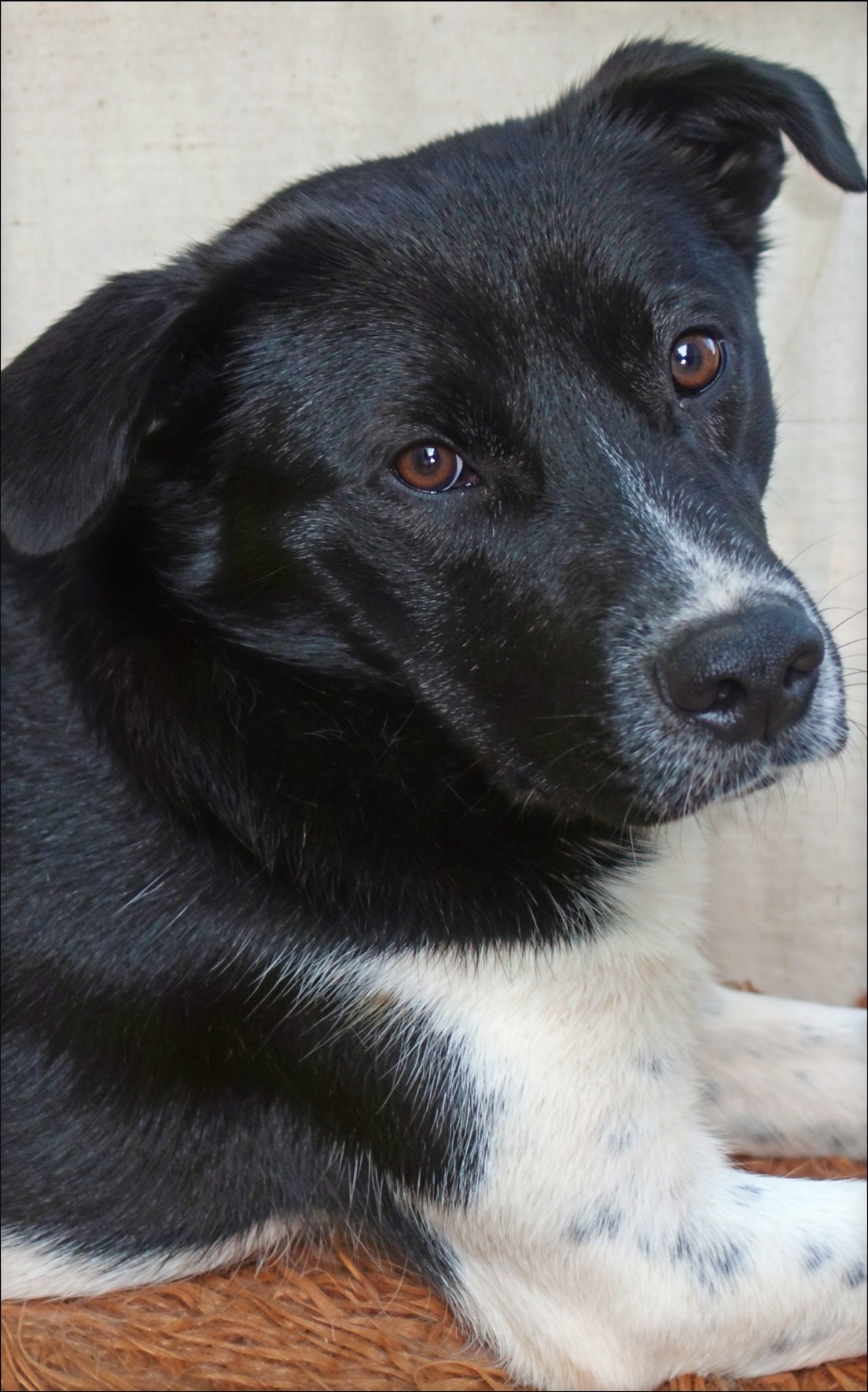
I lived four glorious years, as happy as any dog could ever wish to live. I feel sorry for the dogs I see roaming the streets through no fault of their own. I wish they could have even a fraction of the luck that I have had. But I am not going to lament for everyone. Some dogs are luckier than others — and that’s that.
I'm Sharko! My name means ‘multicoloured’ in Macedonian, even though my fur is gloriously designed in classic black and white.
I came to my home along with three siblings. Mum found us when we were tiny babies, left to drawn in a muddy trench filled with rainwater. She lifted all four of us in her arms, brought us home and placed us on a warm bed. I was exhausted, but I was the biggest and strongest among us. I was fully alive and aware, while my three siblings, positioned next to me on the soft bed and wrapped in warm blankets, were barely breathing. Yet we all survived — Miki, Sanja, Sonja and I.
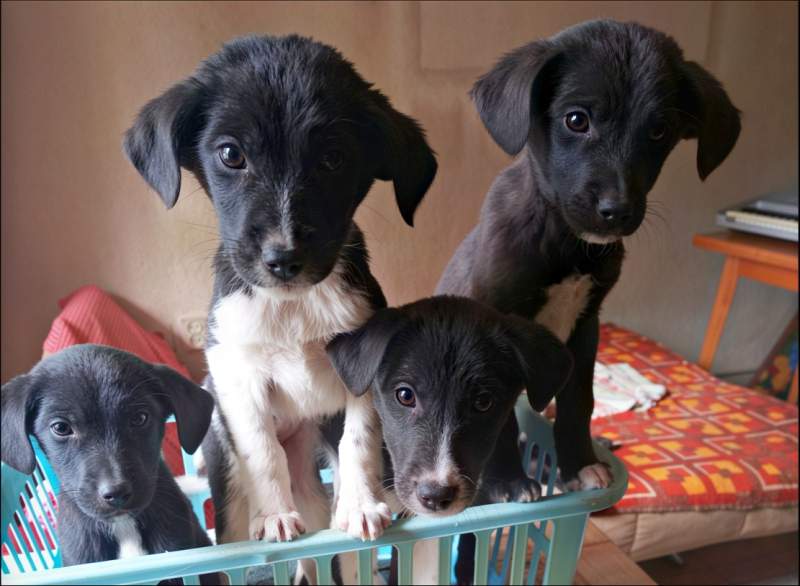
We grew up happily in a large family of rescues, each with a story to tell — and each story more heartbreaking than the last.
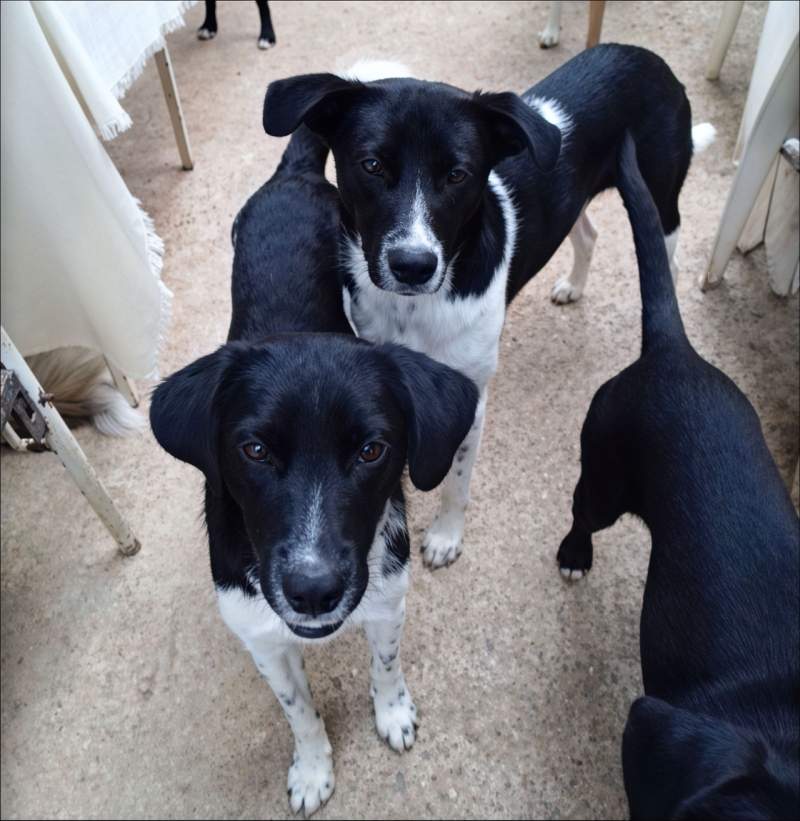
Miki and I were quite similar, with white and black fur patterns. He was a little smaller and cuter than me, but I was, and still am, elegantly handsome.
Sanja and Sonja were completely black and almost identical. Only a small white patch on Sanja’s front left paw allowed one to tell them apart. Perhaps because of their dark coats, they kept more to themselves. They were always together, playing, snuggling, and comforting each other.
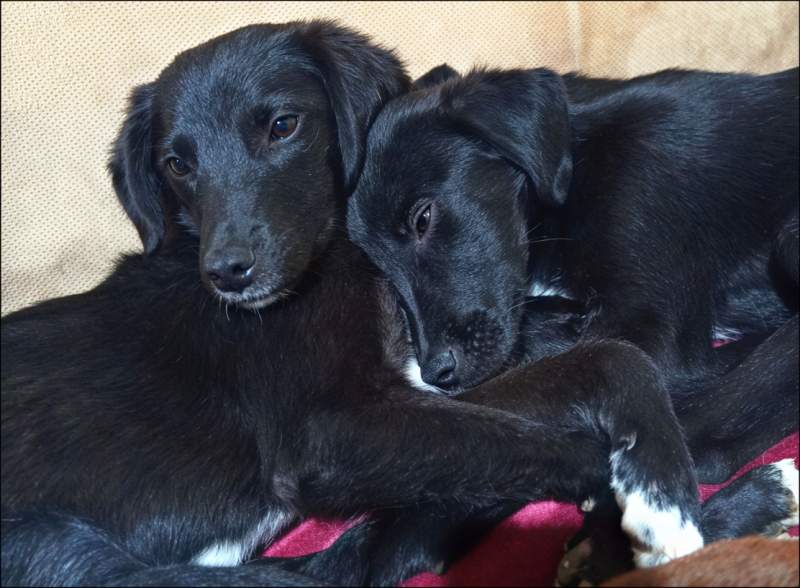
Only Sanja and I have remained.
Miki was stolen when we were still very young. That is how he paid the price for being smaller and cuter. We were lounging in front of our courtyard when two people stopped by. They looked closely, once at me, once at Miki, and then briskly, furtively, whisked him away. A car's screeching faded down the road.
I hope he lives happily somewhere. We will never know.
Sonja was unlucky. She was hit by a car and died. That was Sonja — always wandering off on her own. But more about her later…
Defying the odds, Sanja and I are still cherishing every moment in our beautiful family.
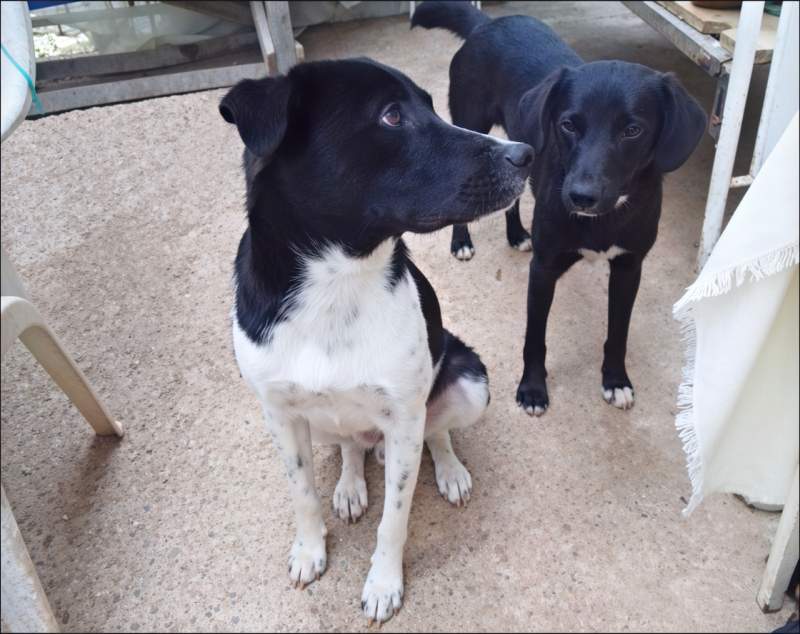
I know I sometimes give Mum a headache, but that is only because I care deeply about justice. I adore justice, fair treatment, proper affection, and my rightful place beside Mum.
Why should I be passed over when all the small puppies get the best food and the most cuddles? If they get cuddles, so should I. If they get belly rubs, so should I. Nor should I be excluded from those delicious morsels reserved for the “sweet little ones.” Just because I am bigger does not mean my belly is any less sensitive, inside or out.
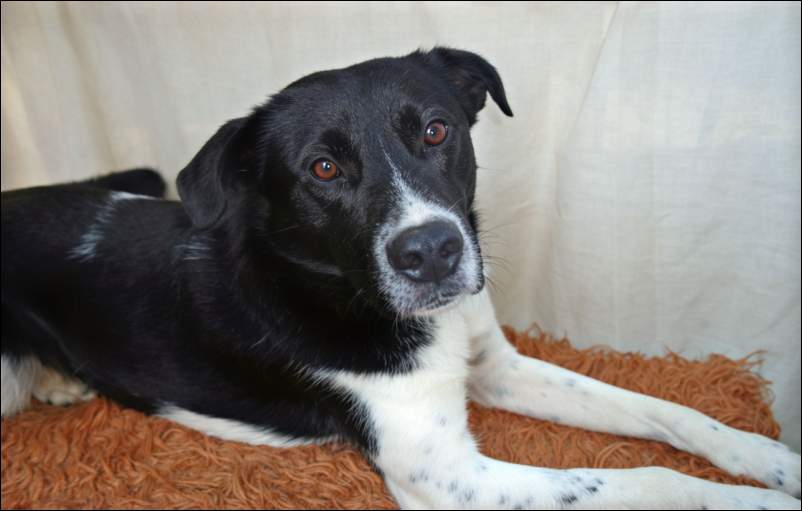
Then there is Choki. Choki, the sausage. He drives me absolutely mad. He is small, cute, and outrageously privileged. Mum always reserves a special treat for him, and everyone in the settlement goes completely gaga over him. He is the oldest and has been around long before any of us. They call him “Pretor’s legend.”
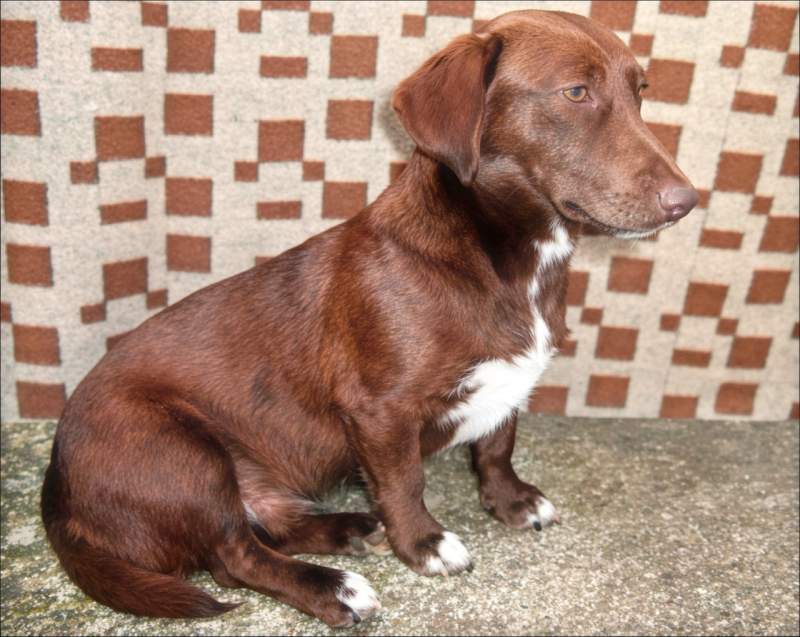
I could barely contain my jealousy. Once, in a moment of unbearable irritation, I decided to teach him a lesson. On the spur of the moment, I gave him a sharp bite on the neck, so sharp that he needed stitches.
I did not even notice that Mum was there. She screamed in shock, became terribly angry, and struck me until I let go. That was the only time I ever used my strength in that way. Never again.
Two things became clear after that incident. First: Mum can get very angry and she can hit really hard. That was an unexpected revelation. Second and far more important: Mum rightly concluded that my behaviour was rooted in being overlooked in favour of Choki. I felt dismissed. And I could not tolerate such impertinence.
I understood her anger. And she understood mine.
From that day on, she treated me differently. She spoke to me softly, as if I were a tiny baby. She caressed my head, pressing her fingers gently behind my ears. Oh yes, that part is wonderful. She made sure I was included equally when distributing treats. She cuddled me more often than ever before, kissed my forehead just as she did with the pampered little pups.
And I adore it. I truly do. I am happiest when she holds my cheeks in her palms and we look into each other’s eyes. It is deeply reassuring.
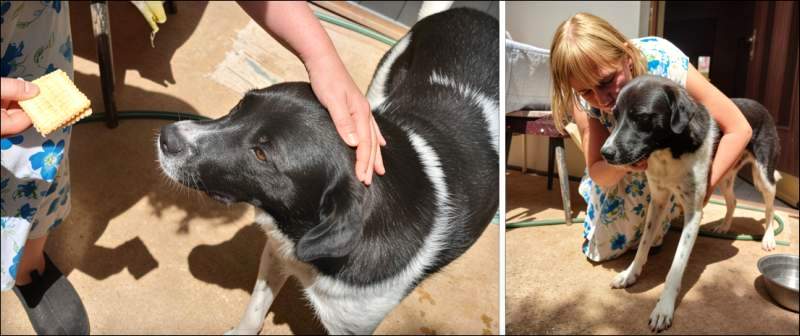
Not that I dislike smaller dogs, I don’t. I even protect them when needed. What I dislike is being overlooked because of them. It is not right that Mum should prioritize the gentler, smaller, cuter puppies over my own needs. Thankfully, she recognized and accepted this and I was never again deprived of her attention.
I am aware that she still sometimes bestows special care on new arrivals, particularly when they are small. That is acceptable, as long as I am not treated like an unimportant nobody.
I still hold a slight grudge against Choki, but I tolerate him. We are friends now. Sort of. I have no reason to attack him anymore. I am treated like a prince, exactly as I deserve.
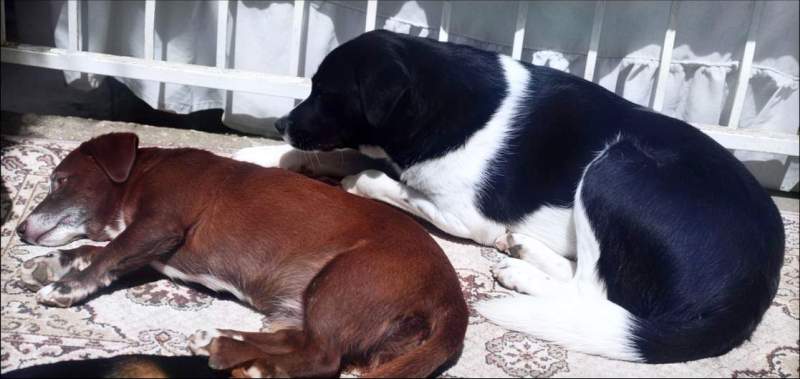
Things have settled nicely, and it has been a long time since I was responsible for disturbing the harmony of our big family. Sometimes I think, I dream ... what if there were only me? What if I didn’t have to share Mum’s cuddles, kisses, and treats with anyone? Oh, that would be heaven.
But… reality must be accepted.
Still, I must confess that, even though I love Mum and my happy life, I would be even happier if all the food and cuddles were mine alone. I am sorry if that sounds selfish. I cannot help it. That is simply who I am.
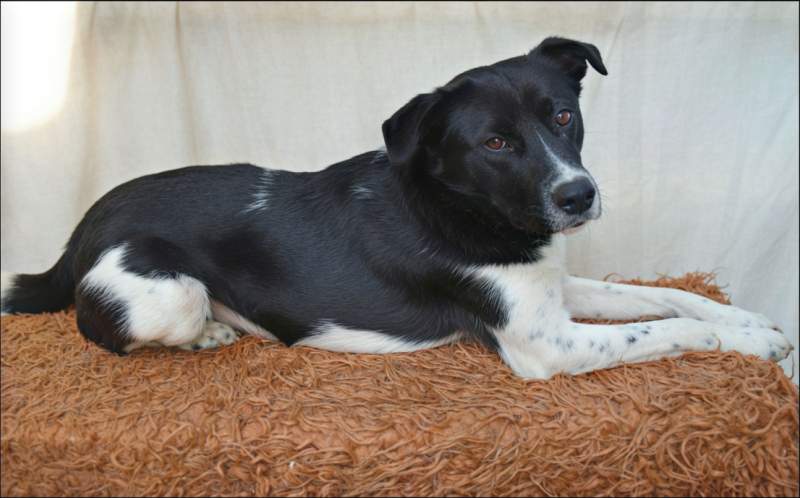
Yes, I am sometimes naughty. I may snarl when asked to move from Mum’s spot on the bed because she wants to lie there. Or worse, because she wants to place one of the boring tots there. Can you imagine? After briefly showing my teeth, of course, I retreat with dignity.
Another of my weaknesses is food. Nothing unusual about that, is there? If food is left unattended, I will naturally help myself. I would be foolish not to, and foolish I am not. Mum has learned this and no longer gets angry at my occasional swift robberies.
Otherwise, I am the cleverest of them all.
I always ask to go out when I need to do my business and, shortly afterwards, I return of my own accord. I knock gently on the door to be let in. Not like some of my siblings who run about barking, and force Mum to chase after them in panic to bring them home because they annoy the hostile neighbours. She returns out of breath, tired and angry.
I bark sometimes too, but only when necessary. For instance, when people trudge down the pathway in front of our house instead of following the street as it sweeps around. They use it as a shortcut to shave ten seconds off their walk. Lazy nincompoops! They unnecessarily irritate us. Their presence is an intrusion; they clutter our space and foul our air. I bark to make them understand: this is our sanctuary and they are not welcome.
Otherwise, I possess impeccable gentlemanly manners.
And, I am remarkably handsome!
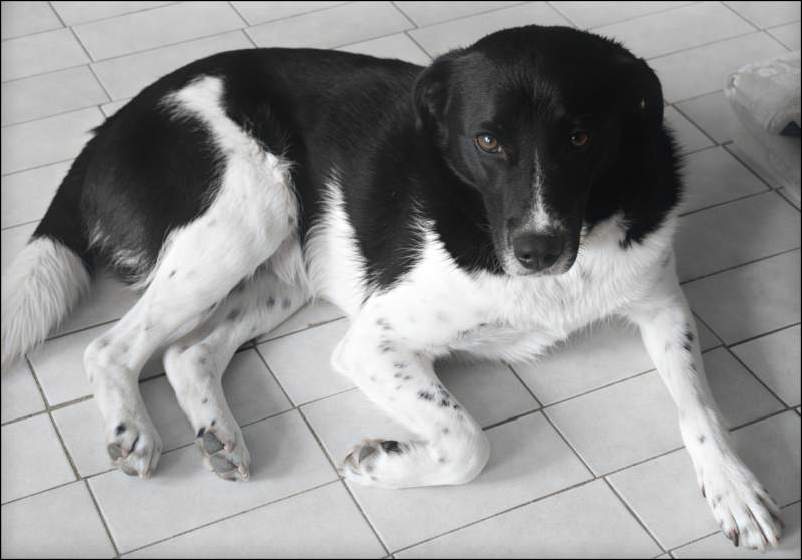
Now, let me return to the story of our unlucky Sonja, because she is no longer with us to tell it herself.
As I mentioned before, she was a free spirit, kind, gentle, obedient, but curious. She liked adventure. She always wanted to go farther, explore more, unaware of the dangers that waited everywhere. A little foolish, perhaps.
She was a dark beauty like a black panther. Even her jaw had that sharper, more defined elegance compared to Sanja’s softer features.
One day Sonja returned home with her face terribly swollen. Mum was shocked. She examined her frantically, touching her head and face, trying to force her mouth open to look inside, which Sonja resisted fiercely. Mum immediately phoned the vet.
Antibiotics were prescribed, a twelve-day course, and a visit was advised if there was no improvement. It could have been an infection, or a bee sting; we live in beautiful nature, surrounded by wild plants and flowers, and bees are plentiful.
The swelling subsided slightly but did not disappear, even after the antibiotics. Sonja was eating and drinking normally, which usually indicates that nothing serious is wrong. She was quieter than usual though, going out less and lying down more.
Then one day, as Mum was gently caressing her head and neck, she suddenly screamed in panic. She had felt something hard on Sonja's neck.
Sonja sensed Mum’s distress and tried to escape, but Mum held her firmly and shut the door so she could not run away. She rummaged through drawers in desperation and pulled out pliers and scissors. We all watched in terrified silence.
Mum held Sonja tightly between her knees and began cutting into something on her neck. It was hard and painful. Sonja screamed and struggled. Mum persisted. They were both crying; Sonja from pain and Mum from causing it and understanding what it meant.
After a few unbearable minutes of a tense, agonizing struggle, Mum pulled out a length of thick iron wire. It hadn't been wrapped around Sonja’s neck but it had looped into her mouth and tightened around her upper jaw and neck. She had been carrying this monstrous burden in silence for an age. But apart from the swelling she had shown no signs of pain or discomfort.
How could she eat at all? We dogs can endure anything.
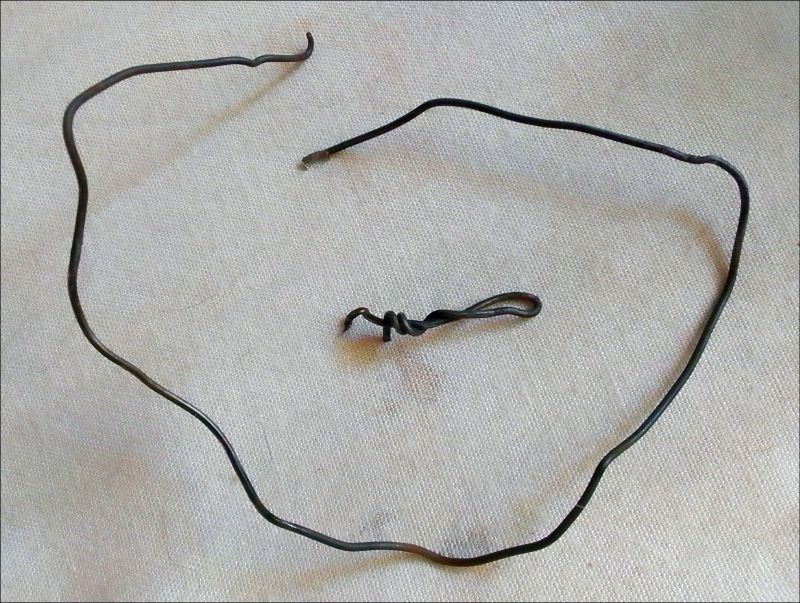
Later, Mum uncovered the harrowing truth about the source of the wire: Sonja had been caught in a trap for wild animals. That she managed to break free at all was nothing short of a miracle. It was a stroke of luck that the wire caught in her mouth instead of tightening around her throat - otherwise, she might not have survived.
One may ask: what was a wild animal trap doing in a residential area?
Well, residential it may be, civilized it is not.
Some people here might as well be living in the Stone Age. They eat anything that moves. Their diet includes every possible animal part — entrails, offal, everything. In that sense, they are worse than us.
Our settlement is surrounded by hills and mountains where boars, foxes, rabbits, and deer roam freely. Sometimes these animals come down near the lake reeds in search of food or water. And so, some clever savages set traps, hoping to catch a hungry or thirsty creature.
How Sonja broke free remains a mystery. Perhaps the trapper returned, saw it was a dog, and cut the wire. Compassion? Or something else? Or maybe the trap was loose. We will never know.
Boar meat is their ultimate delicacy. More than once, we have been thrown leftovers from their feasts including pieces of skin with coarse fur still attached. It is hard to chew, foul-smelling, and often makes us vomit. Sometimes we toss the pieces around, scattering them on the streets. The overpowering stench drives Mum insane. But what can she do? One cannot reason with savages. So she would calmly collect the remains in plastic bags and throw them into rubbish containers, to clean the area and to stop us from eating such revolting things.
Sonja survived the ordeal. Her face eventually returned to normal, though her upper jaw was left slightly deformed and loose. Food often clumped around her mouth, so Mum would clean it gently with a wet towel.
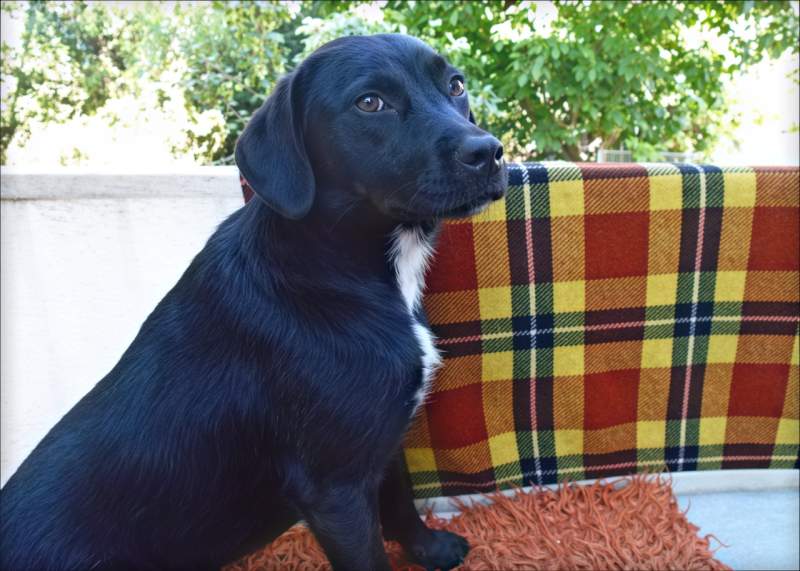
Some neighbours, a few houses up the street, come here for their long summer holidays. They consider themselves dog lovers and would often give us food whenever we pass by their houses.
If they truly loved dogs, why would they not take one into their home and care for it consistently? But never mind. Most people imagine that occasionally throwing food at dogs makes them compassionate.
Sonja somehow grew attached to them and would often disappear during the day, lying in front of their courtyard doors. One day, they went for a walk along the main road toward the village shop. Sonja followed them, as dogs naturally do.
While crossing the busy road, trotting happily behind them, she was hit by a car.
They later told Mum that she died on the spot. Was that true? Or was she still alive and they simply could not be bothered to rush her to the vet? We will never know. We found her slumped by the roadside, flies already feasting on her body.
Mum took a spade, dug a hole just large enough for Sonja’s curled body, and buried her in the soft earth at the foot of the nearby hill. Poor Sonja.
Our neighbours' habit of feeding us their leftovers turned into an ongoing battle with Mum. She begs them, sometimes politely, sometimes shouting, to stop. 'If it is rubbish, throw it in the bin. Do not treat the dogs' bellies as garbage cans', she tells them. But her words fall on deaf ears.
We aren't starving. We have our own food. But if we find food elsewhere, of course we'll eat it. It’s just our nature.
They actually place dirty bowls on the pavement, in front of their gates and fill them with all sorts of leftovers including charred onions, garlic and bones. Roasted peppers are their favourite summer delicacy, so the remaining stalks, nibbled down to the very edge, are also thrown into the bowls. Some of it makes us vomit. Yet, greedy and stupid as we are, we eat it anyway. At the neighbours' everything tastes better.
The problem is, after eating there, we don't go home. We linger around their properties, hoping for more. We play; we bark. And then, and then... the same people who charmed us with scraps turn furious. They chase us away, swearing and throwing stones. Funny people.
From afar, they shout to Mum:
Get your dogs home!
And she shouts back:
Don’t feed them if you don’t want them there! I can't get them home because of you!
It is an endless affair.
They make a habit of tossing food over the fence, treating us as worthless. They would never allow us inside their courtyards, fearful their precious lawns might be soiled by 'dirty dogs'. That we sleep on sofas, or even in Mum's bed, is beyond their wildest imagination.
A few houses down the road stand large rubbish containers. Instead of inside the containers, often food is left on the ground beside them. We lick it up mixed with dirt and debris. Neither we nor the environment matter to them. Only convenience does.
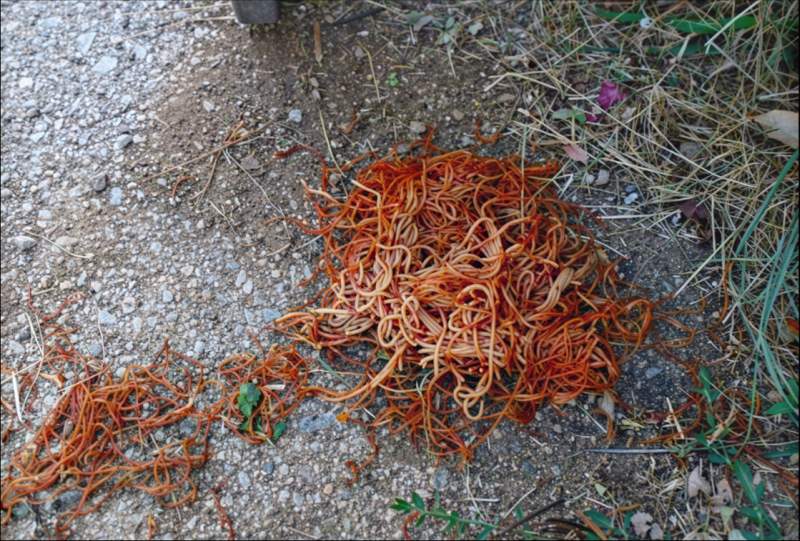
Even the more “cultivated” ones are not spared this uncivilized urge to scatter food remains around. No matter how much Mum pleads or explains, they wouldn't stop. To them, it is the most natural act in the world.
And yet, they do not like us. We are a nuisance in their vulgar villa settlement. They hunt us with stones and rods, poison us, forcibly displace us and vilify Mum reporting her to the authorities for the 'crime' of keeping many dogs.
So why feed us!?
The truth is they do not actually care about feeding us; they merely dispose of their leftovers. Our well-being is of no concern to them. Their superficial acts of 'kindness' end at tossing us burnt scraps. Would they take us to the vet if we were suffering? Would they try to save us if we were writhing in pain from poison? Of course not.
We are not the only dogs here. There are many stray dogs in the settlement. They usually gather near the restaurants in the tourist centre. When summer ends and restaurants close, their struggle for food begins and lasts until the next season.
Mum often carries a heavy bag of dry food to feed them.
They avoid our territory, because, naturally, we would chase them away, but at night or early morning they sneak closer, scavenging. Sometimes they fight and bark.
Across the street lives the fisherman. Once, in the middle of the night, he came yelling and hurling stones at our balcony. Mum, terrified, went out to investigate. He shouted that he couldn’t sleep because of our barking.
But it wasn’t us. We were tucked safely in bed, dreaming our sweetest dreams. He woke us, not the other way around.
Whenever there is a problem involving dogs, Mum is blamed immediately, even when it has nothing to do with us.
Poor Mum. I feel terrible for all that she sacrifices for our sake.
We are less of a problem to her than the neighbours themselves. They make her life miserable simply because she refuses to abandon us.
The fisherman is the most vicious man I have ever known. Who knows how many dogs have died at his hands. He knows no fear, no respect, no restraint. Everything must submit to his needs. Authorities mean nothing to him. He fishes year-round, sells fish openly, regulations or not.
The rubbish containers overflow with broken fishing nets, fish guts and scraps. And, as you might guess, much of it ends up on the ground. Some of it we eat gladly. Fish scales and bladders, however, make us vomit, which enrages Mum, because she must clean after us. The bladders do not break; we throw them out intact, leaving disgusting, smelly trails.
One day, Mum saw the fisherman’s elderly mother carrying an enormous tray filled with fish bladders. She simply tipped it over onto the soil near the containers.
Mum exploded. She confronted her angrily. The old woman did not argue, she merely turned away. But Mum did not stop there. She took a spade and a large plastic bucket, collected all the bladders, carried them across the road, and poured them onto the fisherman’s front door steps.
This was brave. The fisherman was not home. Had he been, I do not want to imagine the outcome.
But it worked. They never again dumped fish bladders near the rubbish containers. However, rotten fish would still appear dumped elsewhere in the settlement.
I worry about Mum. In her struggle to survive in this strange place, she has lost some of her gentleness. She has adopted tougher tactics in her fight. Slowly, she has withdrawn from everyone, speaking to almost no one.
All because she chose to care for us.
Even neighbours with whom Mum had established close friendships could not restrain themselves from this odious habit of tossing scraps of leftovers, despite her repeatedly begging them not to do it. They would do it slyly, hoping Mum would not notice. On more than one occasion, Mum has ended friendships with those who have expressed their “love” for us in this way.
One morning, during our early walk, we found something truly unusual on the pavement, half-hidden in the grass: a pile of jam, perfectly shaped like the deep plate in which it was contained and which had been turned upside down. It stood there like some grotesque conceptual sculpture. We gathered around it curiously, but Mum panicked and tried frantically to stop us from eating it. She scooped it into a plastic bag and threw it into the rubbish containers.
Then she went across the street, asking who was responsible. Everyone denied it. There are not many neighbours, so it did not take long for Mum to find out the culprit: it was her closest, kindest neighbour, the one with whom she had shared years of trust, cooperation, and friendship.
Mum was beside herself. She shouted that what the neighbour had done was not only stupid but dangerous, potentially fatal, because of the enormous amount of sugar in that sticky mass. And it wasn’t an isolated incident. They would also throw strange bones left over from meat casseroles — smooth, round, marble-like bones that we swallowed whole and later vomited, untouched.
For more than a year, Mum and that neighbour did not speak. Later, they reconciled. The neighbour stopped throwing food onto the pavement, but Mum never regained her trust. She had to accept the bitter truth: they cannot help themselves. This behaviour is ingrained in their social conditioning.
The nearest neighbour above our house had once been Mum’s closest friend. She, too, was kind to us. Sometimes she would return from town carrying bags of bones, which she gave Mum to cook and divide among us. Mum confided in her about the ongoing problems with neighbours feeding us on the street, and she seemed to understand, even to sympathise.
But she did the same thing. Secretly.
Their first major breakup came when Mum caught her and a visiting relative throwing burnt cookies at us from their balcony. They had been baking for the holidays, Christmas, or something else, and their cookies burned. So what did they do? They tossed them to us one by one, like a game of fetch.
Mum did not find this amusing.
She stormed upstairs, pounding on their door and shouting. Did they know that burnt food is dangerous for dogs? But that wasn’t even the main issue. Why lure us out of our safe space and onto the street?
They did not speak for several years.
Eventually, time softened things and they reconciled. But not for long.
The neighbour resumed her habit, convinced that Mum would not notice. This time she chose a hidden corner, out of direct sight from our house. But Mum knew. She knows our behaviour. We would gather there and linger, always in the same spot. For Mum, the reason was obvious.
She chose to tolerate it, for the sake of their shared history, and because the neighbour had suffered an accident and was unwell. Mum hoped she would remember the previous conflict and would stop on her own. She didn’t.
One day, Mum found a heap of pie and pasta scraps, glued together with thick tomato paste, dumped in that hidden corner for us. She grabbed handfuls of the filthy mess and threw it back over the neighbour's chicken fence into her garden, where it had come from.
This time, Mum did not restrain her words. She called her what she believed her behaviour reflected: a trash simpleton.
It was clear that the friendship was over.
These people are incorrigible.
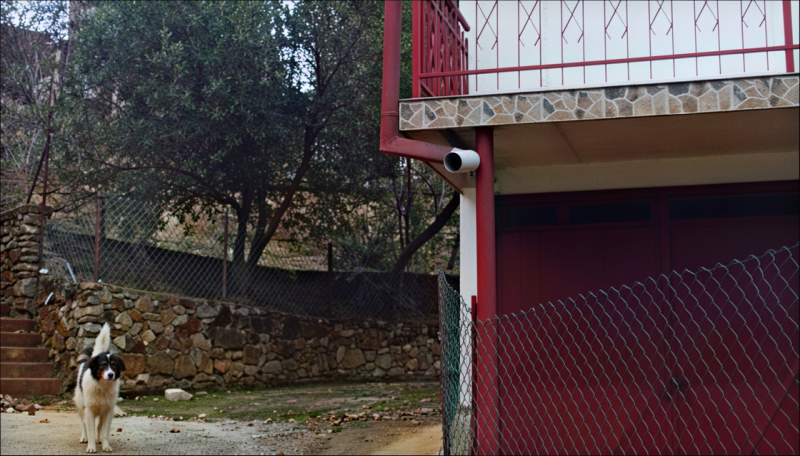
Ha, ha, ha, ha! You should see the mouldy bread they throw our way. It is so rotten it has turned a green-blue-grey-black, not a single white patch left. Do they think we would eat it? We play football with it.
We are not hungry enough to eat the garbage of their rotten souls. But there are less fortunate dogs who, tortured by hunger, would bite into it. No one witnesses what follows: stomach cramps, diarrhoea, vomiting, sometimes even fatal poisoning.
Not that these primitives care. They have cleared the rubbish from their homes. Whether it fouls the earth or a dog’s fragile stomach matters little to their mouldy consciences.
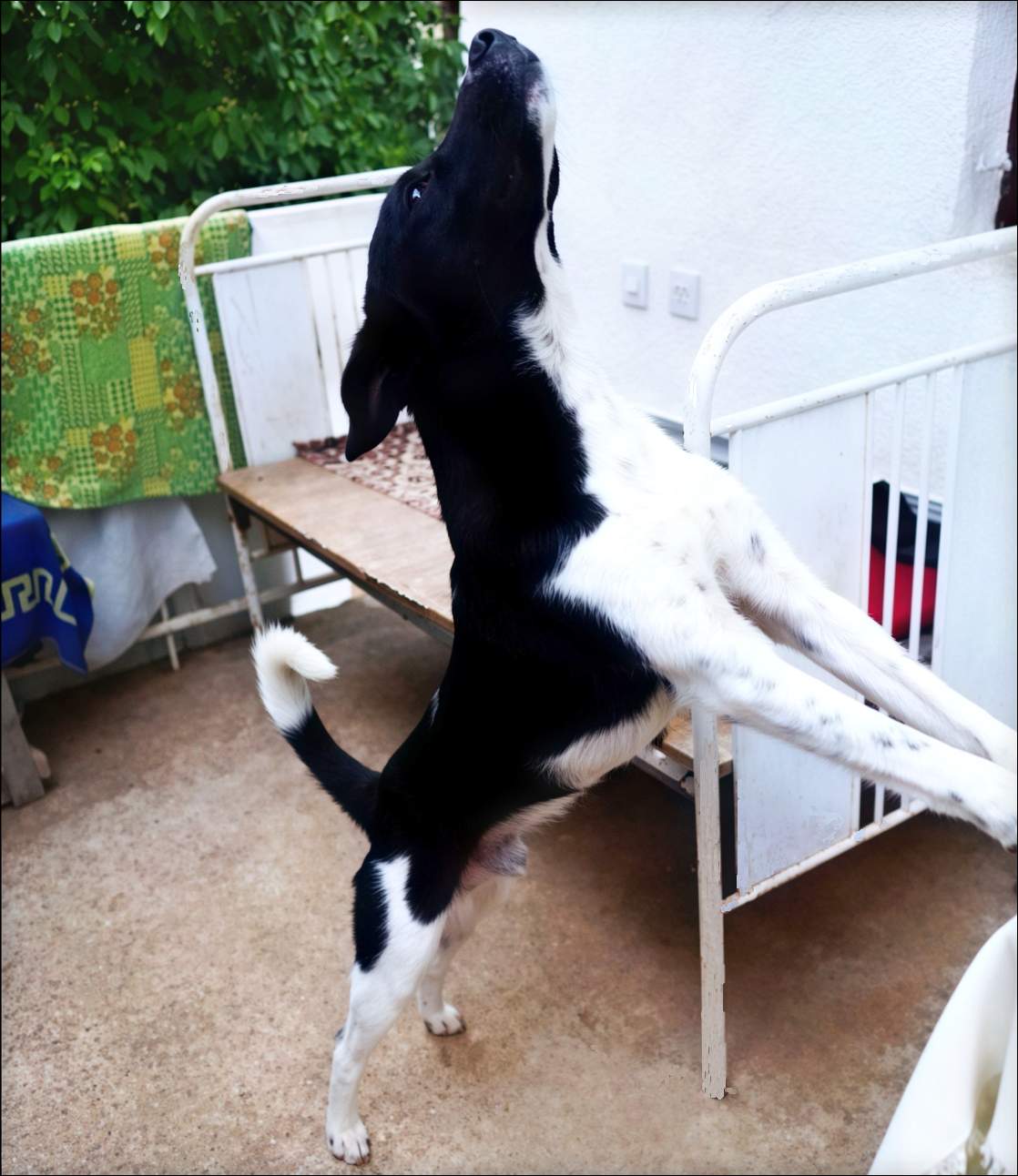
Oops! Did I call them primitives? That is actually Mum’s word. She calls them nasty, soulless primitives. On this point, I agree with her.
In spite of their crass habits, I retain my noble manners. I endure their animosity and keep my chin held high.
It is no easy matter to remain composed and survive in such an absurd habitat. Yet I, Mum, and my many siblings persevere, and roll with the punches.
Chin Up!